In 2026, mastering the lacrosse goalie net can transform both team defense and individual performance, giving players a true competitive edge. Today’s goalies face new challenges and opportunities as equipment, rules, and training methods rapidly evolve.
This guide is packed with expert advice, fresh insights, and strategies designed to help you excel with your lacrosse goalie net. We’ll explore net selection, setup techniques, and advanced skills, all tailored for the modern game.
Ready to level up? Dive in to discover the latest net types, smart setup tips, key goalie skills, maintenance routines, and the most exciting equipment innovations shaping the future of lacrosse.
Understanding Lacrosse Goalie Nets: Types, Sizes, and Regulations
Choosing the right lacrosse goalie net is one of the first big steps for any goalie or coach. With so many options available, understanding the differences is key to building confidence and skill in the crease.
Types of Lacrosse Goalie Nets
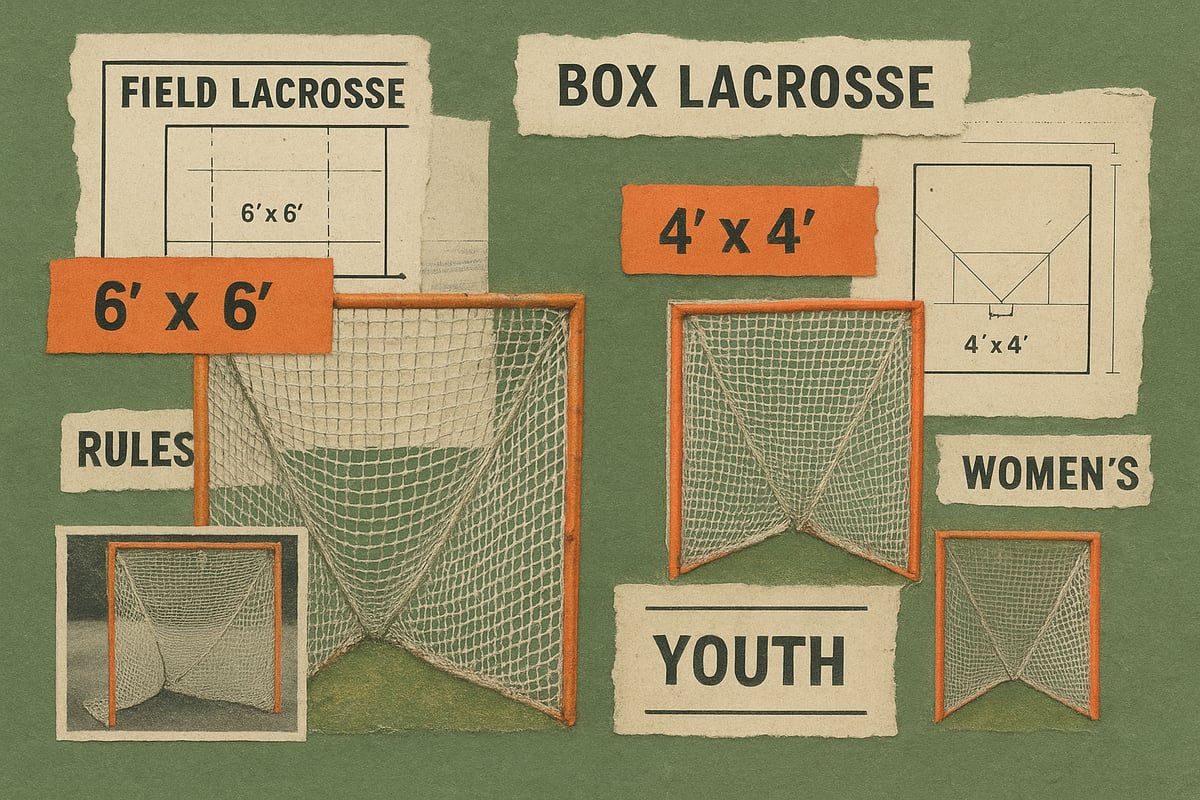
There are two main types of lacrosse goalie net: field and box. Field nets are used in outdoor games and are larger, while box nets are built for the fast-paced indoor version of the sport. Field lacrosse goalie net frames are typically square with deep netting, giving goalies more area to defend. Box lacrosse goalie net designs are more compact, focusing on quick reflexes and tight angles.
These differences shape a goalie’s game style. Field nets demand lateral movement and coverage, while box nets emphasize blocking and quick reaction. As youth and women’s lacrosse continue to grow, even more variations have appeared to fit different age groups and skill levels.
Official Sizes and Regulations
Every lacrosse goalie net must meet specific size standards, which vary by league and age group. For field lacrosse, the standard net size is 6 feet by 6 feet for both men’s and women’s play. In box lacrosse, the net size drops to 4 feet by 4 feet. Youth leagues often use slightly smaller nets to match developing skills.
Here’s a quick comparison:
| League/Level | Net Size | Notes |
|---|---|---|
| NCAA Men’s/Women’s | 6’ x 6’ | Standard for college |
| High School | 6’ x 6’ | Matches NCAA |
| Box (All Levels) | 4’ x 4’ | Indoor only |
| Youth Field | 4’ x 4’–6’ x 6’ | Varies by age |
If you’re unsure which lacrosse goalie net your league requires, the Lacrosse Size Guide offers a helpful breakdown of all net and equipment sizing standards.
Materials and Durability
Frame construction is another key decision. Most lacrosse goalie net frames are made from steel or aluminum. Steel frames are heavier, which makes them more durable and stable, perfect for outdoor fields and rough play. Aluminum frames are lighter and easier to move, ideal for quick setups and indoor use.
Netting also varies. Weather-resistant nylon is common, but some nets use polyester or mixed fibers for extra longevity. It’s important to check if the lacrosse goalie net you choose can stand up to the elements and frequent use. Weatherproof coatings and reinforced stitching help nets last longer, especially in community or school settings.
Regulation Requirements and League Differences
Each league sets its own requirements for lacrosse goalie net dimensions, materials, and safety features. The NCAA and World Lacrosse have strict guidelines, while local associations may offer flexibility for youth and beginner leagues. For example, NCAA regulations require exact net sizes and frame thickness, ensuring consistency in competitive play.
High school and youth organizations often allow for minor variations, making it easier for new teams to get started. In Canada, box lacrosse is especially popular, and the Canadian Lacrosse Association has its own equipment standards to keep the game fair and safe at every level.
Performance Impact and Skill Development
The type of lacrosse goalie net you train with can shape your skills and confidence. A well-built net, sized for your league, lets you practice realistic game scenarios. It also supports proper shot-stopping technique and footwork. Coaches have found that using the correct net helps goalies develop muscle memory and spatial awareness.
Recent reports from US Lacrosse and the Canadian Lacrosse Association show a surge in women’s and youth participation, which has led to more net options and innovative designs. This variety ensures every athlete can find a lacrosse goalie net that fits their needs and supports their growth.
Ultimately, selecting the right lacrosse goalie net is foundational for skill development and game integrity. It’s not just equipment—it’s the starting point for every save and every victory.
Setting Up Your Lacrosse Goalie Net for Optimal Performance
Setting up your lacrosse goalie net the right way can make all the difference in every practice and game. Whether you’re a new goalie or a seasoned coach, a solid setup creates a safer, more consistent training environment. Let’s walk through the process step by step, so you can be confident every time you step on the field.
Step-by-Step Guide to Assembling and Anchoring
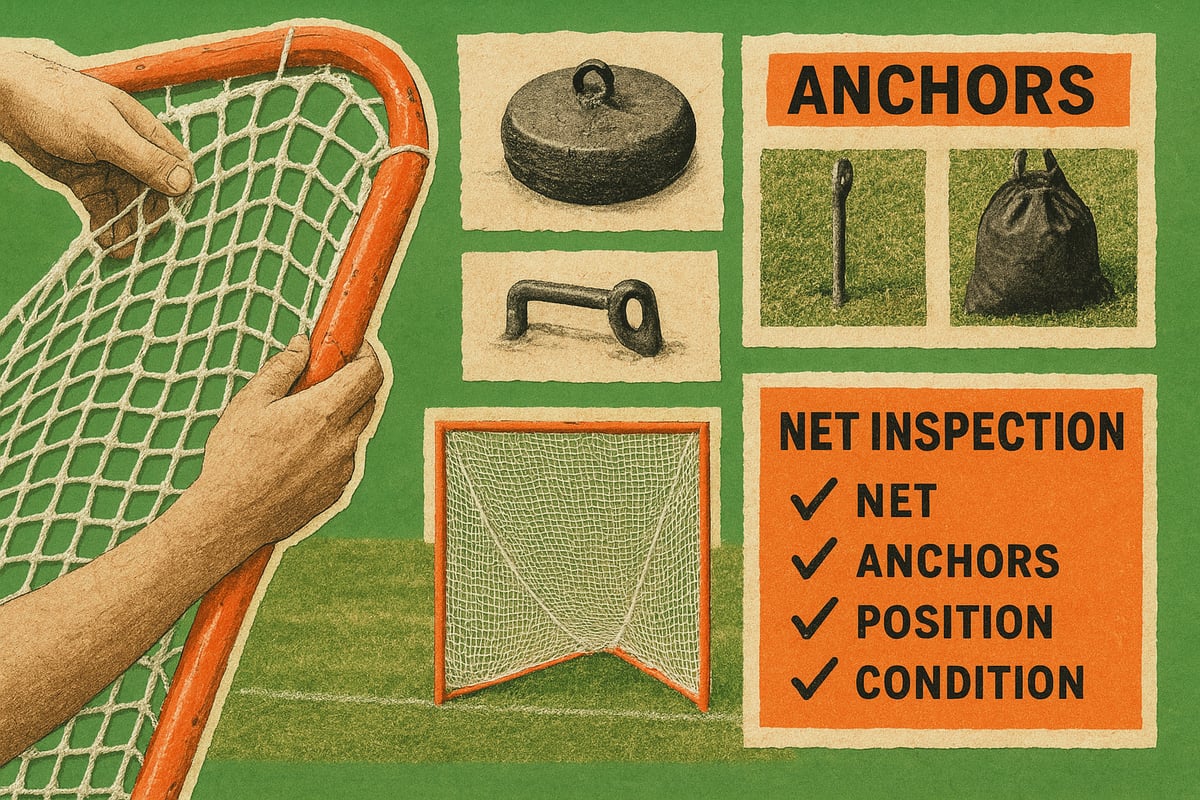
Start by unpacking your lacrosse goalie net and laying out all parts. Follow the manufacturer’s instructions to connect the frame, making sure each joint is secure. Place the assembled net on your chosen field spot.
Before you anchor, double-check that the frame sits flat and square. This prevents wobbling and helps the net absorb shots evenly. Proper assembly is the foundation for everything that follows.
Choosing the Right Surface and Placement
Where you set up your lacrosse goalie net matters. On turf, look for even ground away from high-traffic areas. On grass, pick a spot free of holes or bumps to avoid shifting during play. In gyms, place the net at regulation distance from walls and lines.
For official games, always measure from the crease and end lines to make sure you’re following league rules. If you want to learn more about compliance, check out the latest NCAA lacrosse goal standards for precise placement and equipment details.
Anchoring Methods: Safety and Stability
A secure lacrosse goalie net is a safe net. There are several ways to anchor your net, each suited for different surfaces:
| Anchoring Method | Best Surface | Pros | Cons |
|---|---|---|---|
| Weights | Turf/Gym | Portable, easy to adjust | Can shift if too light |
| Stakes | Grass | Very stable | Not for turf or indoors |
| Sandbags | Any | Flexible, adds weight | Needs regular checks |
Choose the method that matches your field. Always test the net by giving it a gentle shake. It should not tip or slide when hit by a shot.
Net Tensioning and Durability
The way you tension your lacrosse goalie net affects both play and lifespan. A properly taut net will “give” just enough to absorb shots but not so much that balls rebound unpredictably. Use all provided lacing points and tighten evenly, checking corners and seams.
Loose netting can lead to missed saves, while overly tight nets may tear. Inspect tension before every session, especially after hard practices or storms.
Maintenance and Common Mistakes
Regular checks are key to keeping your lacrosse goalie net in top shape. Look for frayed netting, bent pipes, and loose fittings. Patch small holes right away and replace worn parts as needed.
One of the most common mistakes is skipping setup checks. In fact, a recent survey of goalie coaches found that 80% cite improper net setup as a leading training issue. Problems like wobbly frames or sagging nets can hurt shot accuracy and lower goalie confidence.
Why Routine Checks Matter
Taking a few extra minutes to check your lacrosse goalie net setup can prevent injuries and boost practice quality. When the net is stable and properly tensioned, goalies can focus on improving their skills instead of worrying about equipment.
Let’s make net setup part of your pre-practice and pre-game routine. A well-set lacrosse goalie net is the first step toward a winning season.
Mastering Goalie Net Positioning and Game Tactics
Stepping into the crease means more than just blocking shots. Mastering your lacrosse goalie net positioning can transform your impact on the game, boost your confidence, and help your team win more often. Let’s break down how to use your net as your best ally, from fundamentals to advanced tactics, so you can turn every save opportunity into a highlight moment.
Fundamentals of Net Positioning
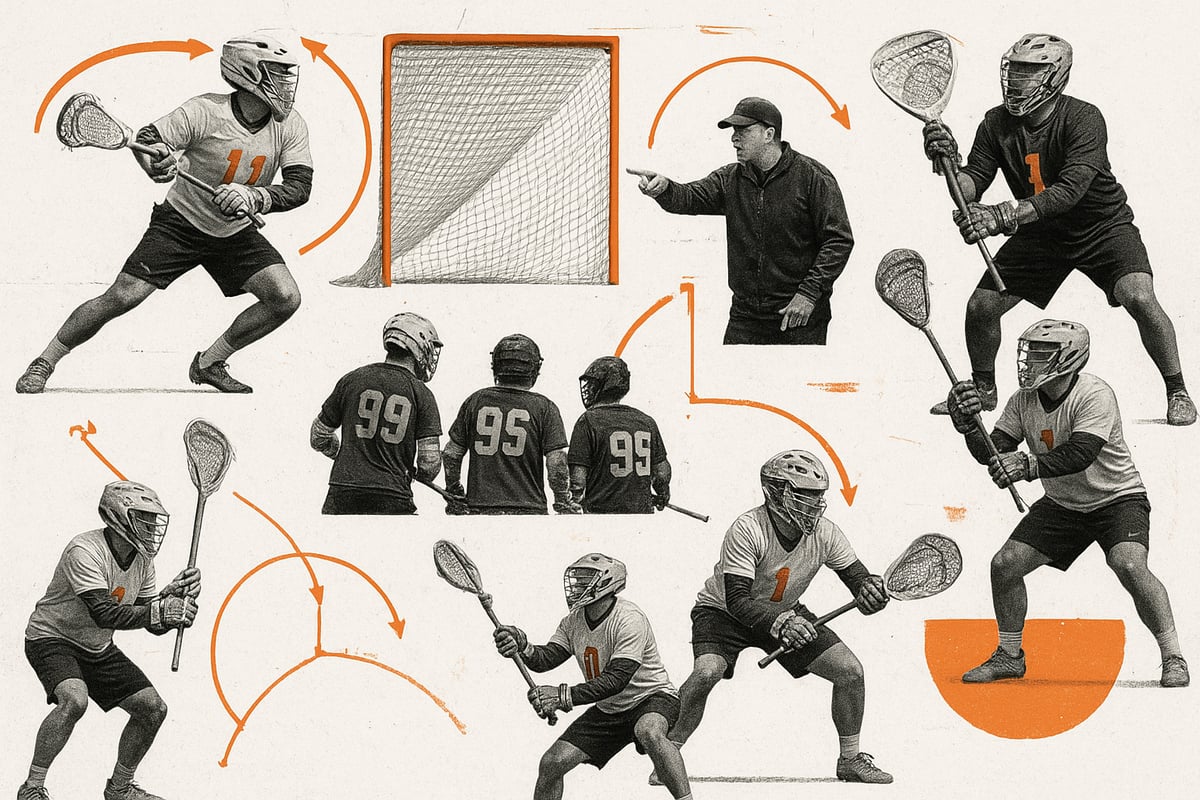
Great lacrosse goalie net positioning starts with the basics. The arc movement is your blueprint. Think of it as a semicircular path you follow, always keeping your body square to the shooter. This helps you cut down angles and make the net look smaller to your opponent.
Angle play is all about reading the shooter and stepping out just enough to challenge them, but not so far that you lose control of your crease. Crease awareness means knowing exactly where you are in relation to the pipes at all times. If you’re just starting or want a refresher on how net types and gear might impact your style, check out the Box vs Field Lacrosse Gear Guide for a complete breakdown.
Stay grounded in the fundamentals, and your lacrosse goalie net becomes a fortress.
Step-by-Step Breakdown
Every save begins before the shot. Your pre-shot stance should be balanced, knees bent, and stick ready at the center of the lacrosse goalie net opening. Track the shooter’s eyes and body language, adjusting your position as they move.
As the ball swings around the field, shuffle along your arc in short, quick steps. Always reset your stance after each pass or fake, keeping your weight on the balls of your feet. This keeps you ready for sudden shots and quick passes.
When the shooter winds up, square your shoulders to them, set your feet, and trust your preparation. The more you practice this sequence, the more automatic it becomes, making you a consistent force in front of your lacrosse goalie net.
Communication
Your voice is your second set of hands. As the anchor of the defense, you see the whole field from the lacrosse goalie net. Use clear, loud calls to direct defenders—shout out screens, cutters, and ball movement.
Good communication builds trust. Let your team know when to slide or when a shooter is winding up. Simple cues like “left!” or “cutter coming!” can mean the difference between a routine stop and a scramble.
Practice communication as part of your daily routine. The more comfortable you are talking from the crease, the more organized and confident your defense will play, helping you protect the lacrosse goalie net together.
Advanced Tactics
Once the basics feel automatic, it’s time to level up. Advanced positioning uses subtle moves to outthink shooters. Baiting is a classic: show a little more space on one side of the lacrosse goalie net, then explode across to make the save when the shot comes.
Fake steps—small, deceptive movements—can trick shooters into aiming for a spot you’re ready to cover. Use the net as a shield, hugging the post when the ball is below goal line extended or stepping out to challenge high-angle shots.
Elite goalies blend these tactics with fundamentals, always staying unpredictable. The more tools you add to your kit, the harder it becomes for shooters to find a weakness in your lacrosse goalie net coverage.
Elite Examples, Data, and Key Takeaways
The difference between good and great often comes down to details. Top NCAA goalies are masters of positioning, using the lacrosse goalie net to force opponents into low-percentage shots. They rarely overcommit and always know where their feet are in the crease.
Let’s look at a quick comparison:
| Positioning Style | Save Percentage |
|---|---|
| Aggressive Arc | 58% |
| Flat Arc | 54% |
| Hybrid | 60% |
(Data: NCAA Men’s Lacrosse 2025)
Notice how a hybrid style, blending angles and depth, nets the highest save percentage. These goalies use every inch of the lacrosse goalie net, combining smart movement with anticipation.
The key lesson? Mastering your net isn’t just about reflexes. It’s about learning where to be, when to move, and how to make your lacrosse goalie net work for you. Build these habits, and you’ll see your save numbers—and your team’s confidence—soar.
Innovations and Trends in Lacrosse Goalie Nets and Gear for 2026
Lacrosse goalie net technology is evolving quickly in 2026, with new materials, smart features, and safety upgrades transforming how we protect the crease. These changes are not just about flashy upgrades—they are about creating more consistent play, safer environments, and better training for every athlete who steps between the pipes.
Material Advancements and Construction
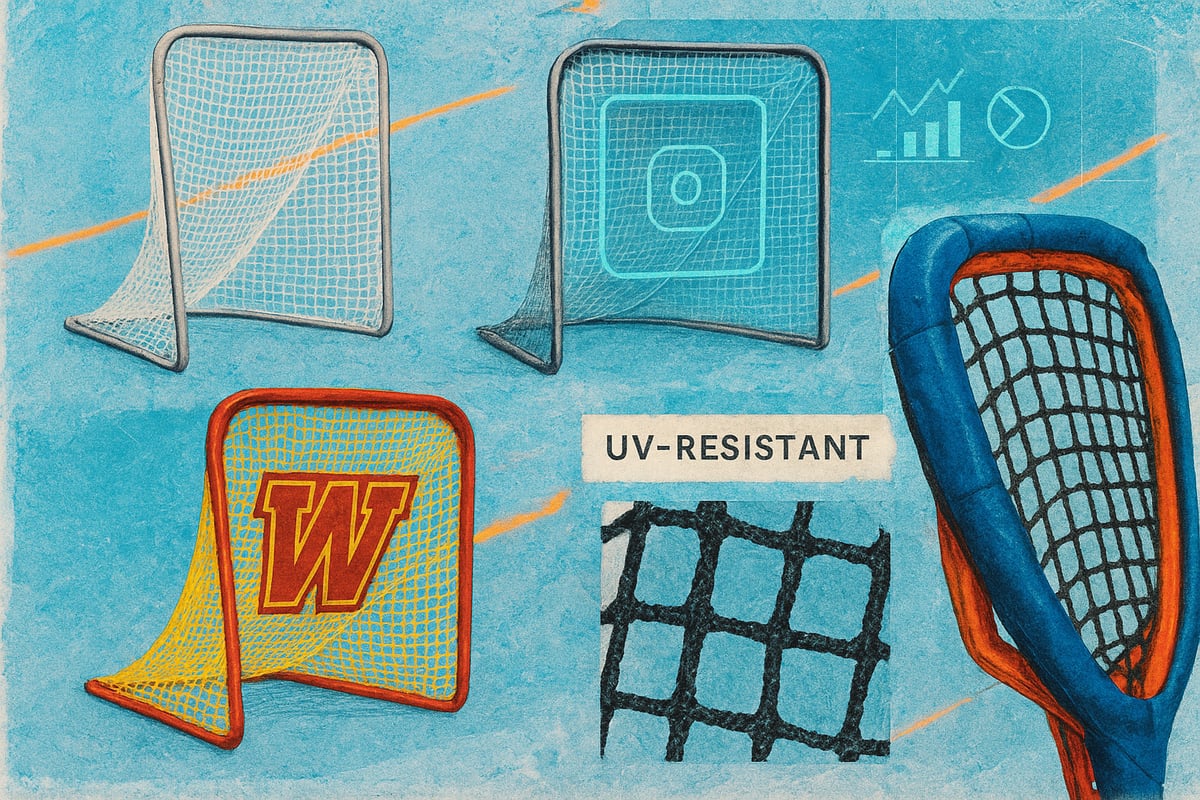
The lacrosse goalie net is seeing a revolution in materials. Traditional steel frames are being replaced with lightweight alloys and aluminum, making nets easier to move without sacrificing durability. UV-resistant netting is now standard, protecting nets from sun damage and extending their lifespan.
Here’s a quick comparison:
| Material | Weight | Durability | Weather Resistance |
|---|---|---|---|
| Steel | Heavy | High | Moderate |
| Aluminum | Light | Good | Good |
| Alloy | Lightest | Excellent | Excellent |
Modular frames are another breakthrough. Coaches and players can now assemble and break down a lacrosse goalie net in minutes, a huge plus for travel teams and tournaments. These advancements help keep nets stable and ready for action, no matter where the game takes you.
Customization and Smart Net Features
Customization is now front and center for every lacrosse goalie net. Teams can choose from a wide range of color options, add logos, and even adjust net tension for personal preference. Adjustable tension not only changes rebound dynamics but also extends the life of the net.
The biggest buzz in 2026 is smart net technology. Integrated shot-tracking sensors and analytics tools are helping goalies and coaches analyze performance in real time. Imagine training with a lacrosse goalie net that records shot speed, placement, and save percentage—this is now a reality for programs at every level.
Popular customization features include:
- Team branding and color-matching
- Interchangeable target zones for drills
- Modular netting for quick repairs
These innovations are empowering goalies to train smarter while expressing team pride.
Safety, Market Trends, and the Future
Safety upgrades are leading the way in the newest lacrosse goalie net designs. Enhanced padding, reinforced corners, and compliance with the latest certification standards protect both goalies and shooters. Regulatory bodies like Lacrosse Canada equipment regulations are updating guidelines to ensure nets meet these higher safety requirements.
Market trends show a surge in demand for portable, quick-setup nets. Coaches and parents appreciate how these designs save time and reduce setup errors. For example, ECD’s new netting technology has improved practice efficiency by making nets lighter and more durable, allowing for longer, more productive sessions.
Looking ahead, the blend of smart features, safety, and customization is shaping a new era for the lacrosse goalie net. This wave of innovation is making the game safer, more accessible, and a lot more fun for everyone involved.
Maintaining and Extending the Life of Your Goalie Net
Keeping your lacrosse goalie net in top condition is the secret weapon for consistent performance, safety, and cost savings. When we give our net the attention it deserves, we help our team train harder and play with confidence. Regular maintenance might seem simple, but it can make a world of difference over a long season.
Cleaning and Basic Care
Start with a consistent cleaning routine for your lacrosse goalie net. After each practice or game, shake out loose grass and debris. Use a soft brush and mild soap to remove mud or dirt, especially after wet weather. This helps prevent premature wear and keeps the net visible and safe for every drill.
For stubborn stains or buildup, gently rinse with water, avoiding harsh chemicals that might weaken net fibers. If you notice any sticky spots or grime, a diluted vinegar solution can help without risking damage. Remember, a clean lacrosse goalie net is less likely to harbor mold or odors, keeping your equipment fresh for every session.
Inspection and Repair Strategies
A regular inspection routine is your best defense against costly replacements. At least once a month, check your lacrosse goalie net for these common issues:
- Rust on the frame or metal joints
- Frayed or torn netting
- Loose or missing fasteners and ties
- Sagging or uneven net tension
If you spot small holes, patch them promptly with repair twine or netting kits. Tighten any loose connections to maintain net shape and prevent injuries. For detailed guidelines and safety reminders, consult the USA Lacrosse equipment reminders to ensure your net meets current standards and keeps players protected.
Storage and Off-Season Protection
Proper storage is essential for extending your lacrosse goalie net’s lifespan. During the off-season, clean the net thoroughly and let it dry completely before storing. Choose a dry, shaded space such as a garage or equipment shed to avoid moisture, which can cause rust and net breakdown.
Elevate the frame off the ground using hooks or shelves to prevent contact with pests or pooling water. If possible, disassemble portable nets and store components in labeled bins or bags. Cover your lacrosse goalie net with a breathable tarp to shield it from dust and sunlight, which can fade and weaken materials.
Real-World Impact and Cost Savings
Teams that prioritize maintenance routines for their lacrosse goalie net often see dramatic savings. According to recent data, organizations that follow regular care protocols reduce net replacement costs by up to 30 percent each season. This means more resources for new gear, travel, and team activities.
By making maintenance a shared responsibility, we build a stronger sense of community and pride in our equipment. When everyone chips in, the net stays game-ready, safe, and reliable from the first practice to the championship game.
Resources and Community Support for Lacrosse Goalies
Finding your place as a lacrosse goalie can feel like joining a team within a team. The journey is easier and more rewarding when you tap into the many resources and communities built just for goalies. Whether you are looking to improve your lacrosse goalie net skills or find encouragement, there is a supportive network waiting for you.
Online Resources and Learning
The digital world is packed with ways to sharpen your lacrosse goalie net game. Online forums, expert blogs, and YouTube channels offer drills, tips, and gear reviews. For example, the Best Box Lacrosse Goalie Gloves guide helps goalies choose the right protection.
You will also find video breakdowns of saves, podcasts with pro goalies, and Q&A sessions that answer your pressing questions. These resources let you learn at your pace and connect with others who share your passion.
In-Person Camps, Clinics, and Workshops
Nothing beats hands-on experience for building confidence around the lacrosse goalie net. Local goalie camps and clinics offer personalized coaching, live feedback, and a chance to practice with peers. Many communities host seasonal workshops where goalies of all ages can develop their skills, learn new techniques, and get inspired by experienced coaches.
Attending these events opens doors to mentorship and friendship, making the learning process more enjoyable and memorable. You will leave each session with fresh tactics and a stronger sense of belonging.
Community Impact and Support Networks
The power of community in the lacrosse goalie net world cannot be overstated. Social media groups, mentorship programs, and local networks help goalies stay motivated and supported. Many successful goalies credit their progress to advice and encouragement from these groups.
According to recent surveys, goalies with regular access to supportive resources have higher retention and satisfaction rates. By joining the conversation and reaching out, you become part of a community that celebrates growth, shares knowledge, and lifts each other up—on and off the field.
We’ve covered so much about what makes a great lacrosse goalie net and how the right setup can give you the edge on game day. If you’re feeling inspired to take your game to the next level, you’re not alone—every goalie deserves gear that keeps up with their passion and protects them in the crease. That’s why I recommend checking out the latest in high-quality, reliable equipment designed just for goalies. Let’s make sure you have everything you need for your next big save—explore what’s new and Shop Boddam Goalie Gear today.


